 Sankalp
Water bottle cap colour meaning in India: blue, green, white, black, yellow and red caps, what the viral claims say, and why no BIS or FSSAI rule sets a colour.
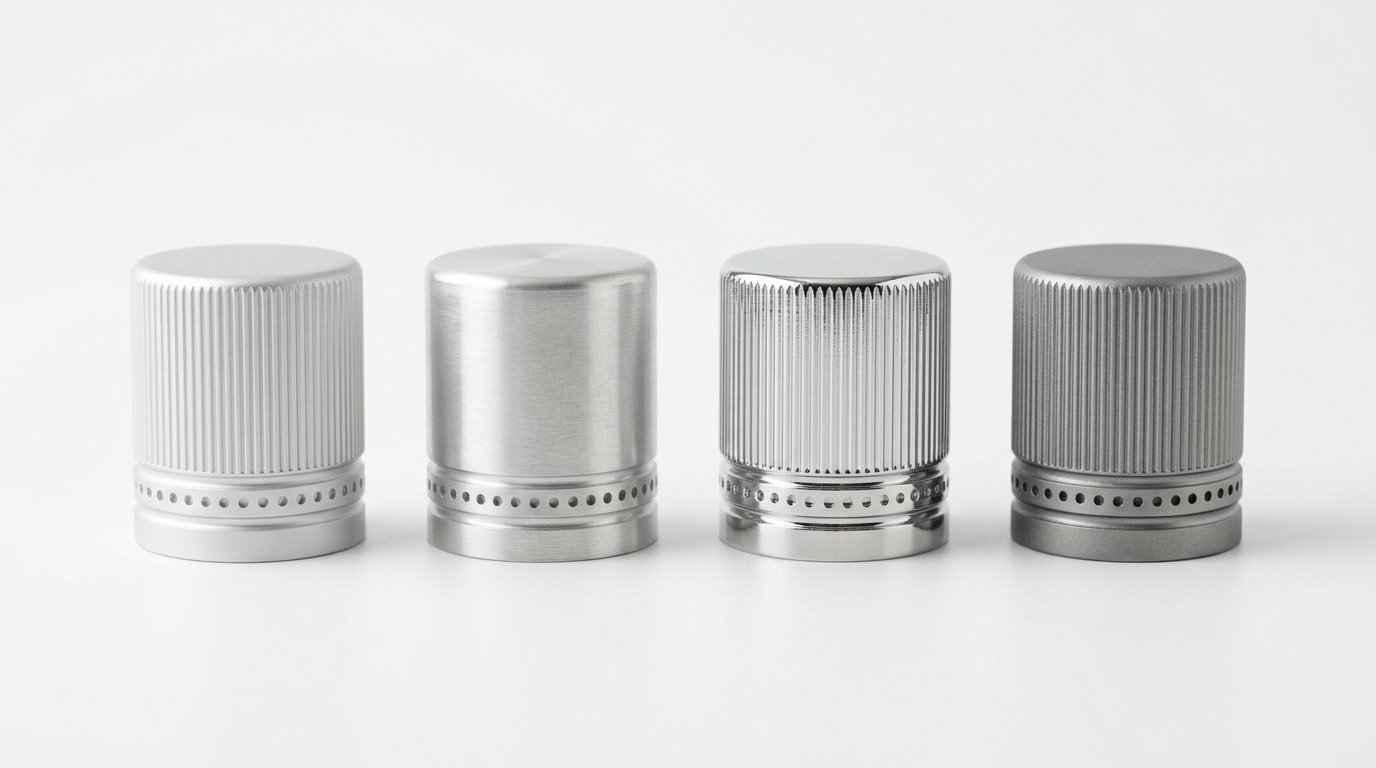

Water bottle cap colour meaning in India: blue, green, white, black, yellow and red caps, what the viral claims say, and why no BIS or FSSAI rule sets a colour.
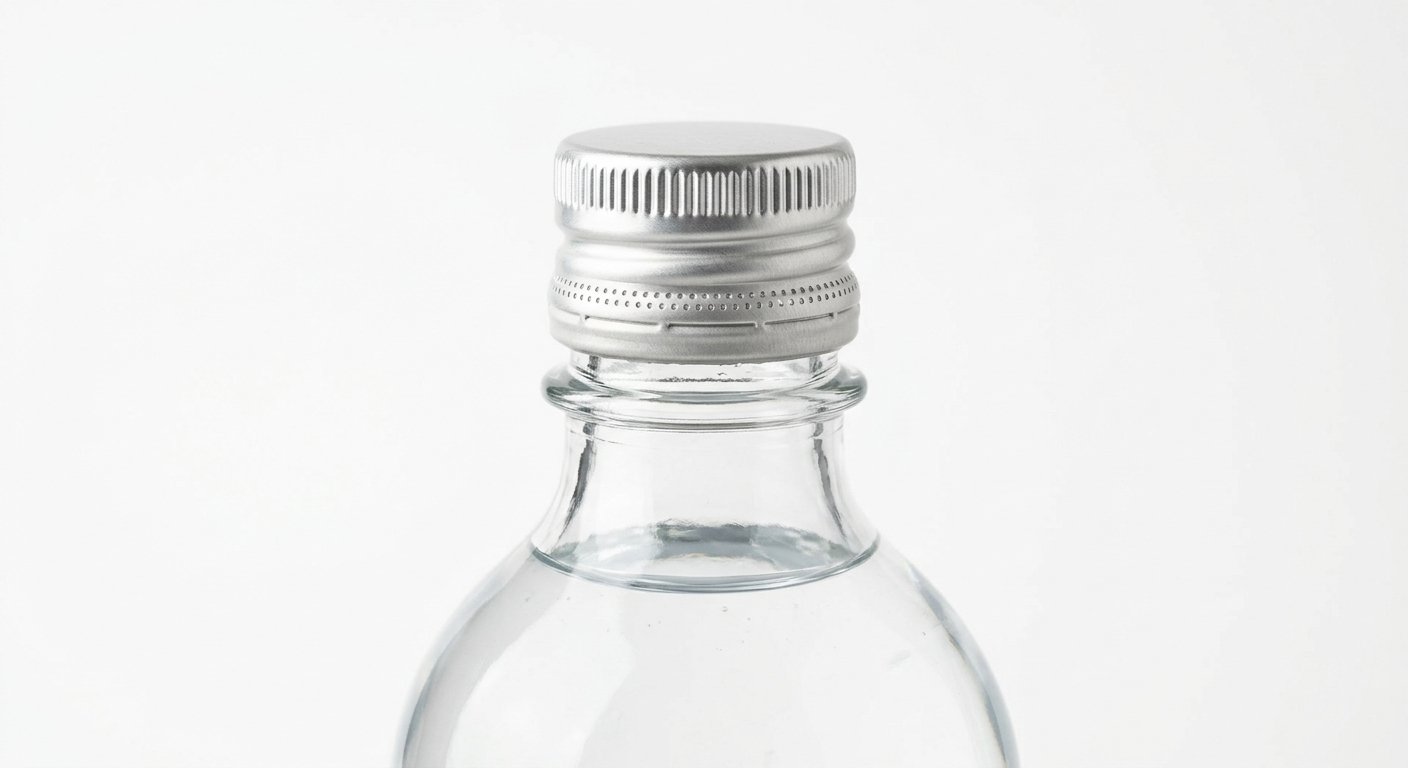
IS 14543 is the BIS standard packaged drinking water is tested against in India: what it asks of the water, container and cap, and how it differs from IS 13428.
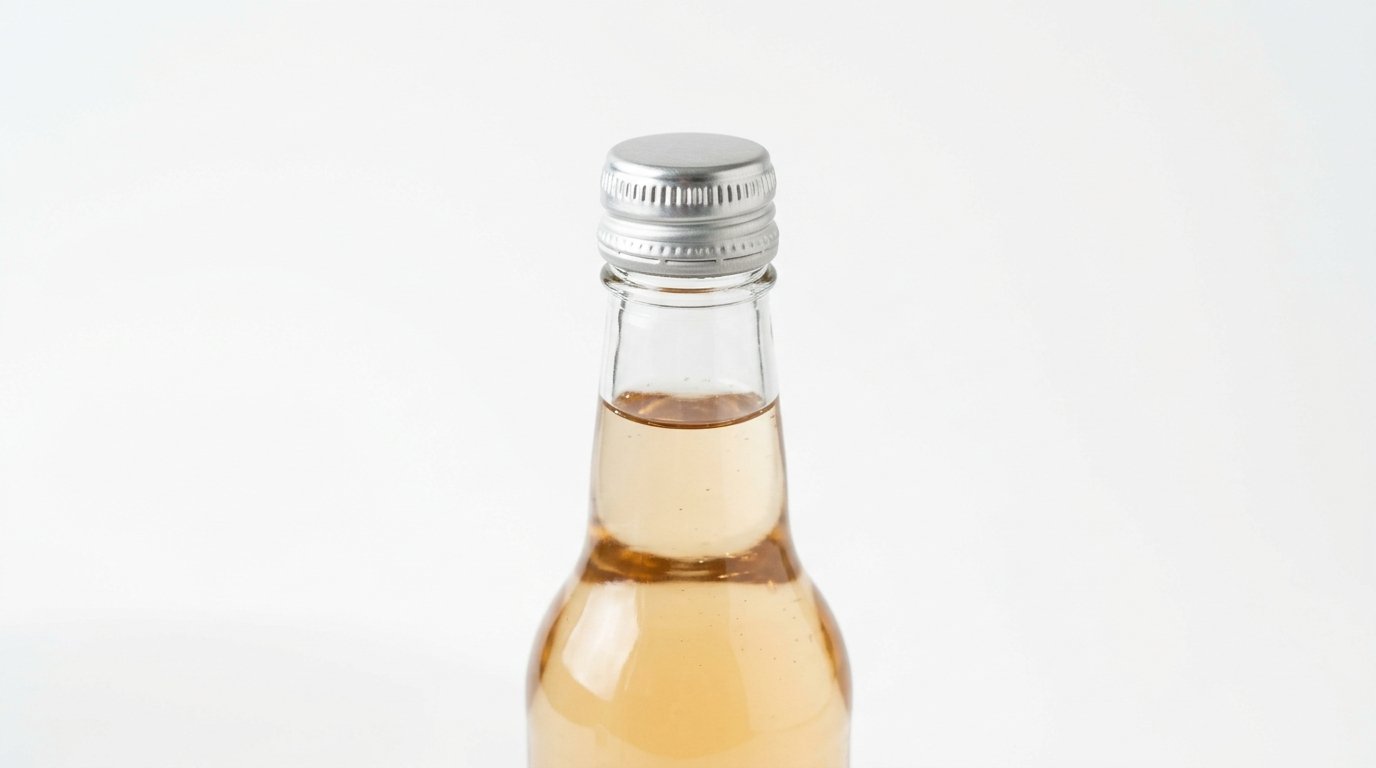
A plain-English guide to FSSAI packaging expectations for bottled water and beverages in India: food-grade materials, safe seals, and where closures fit.
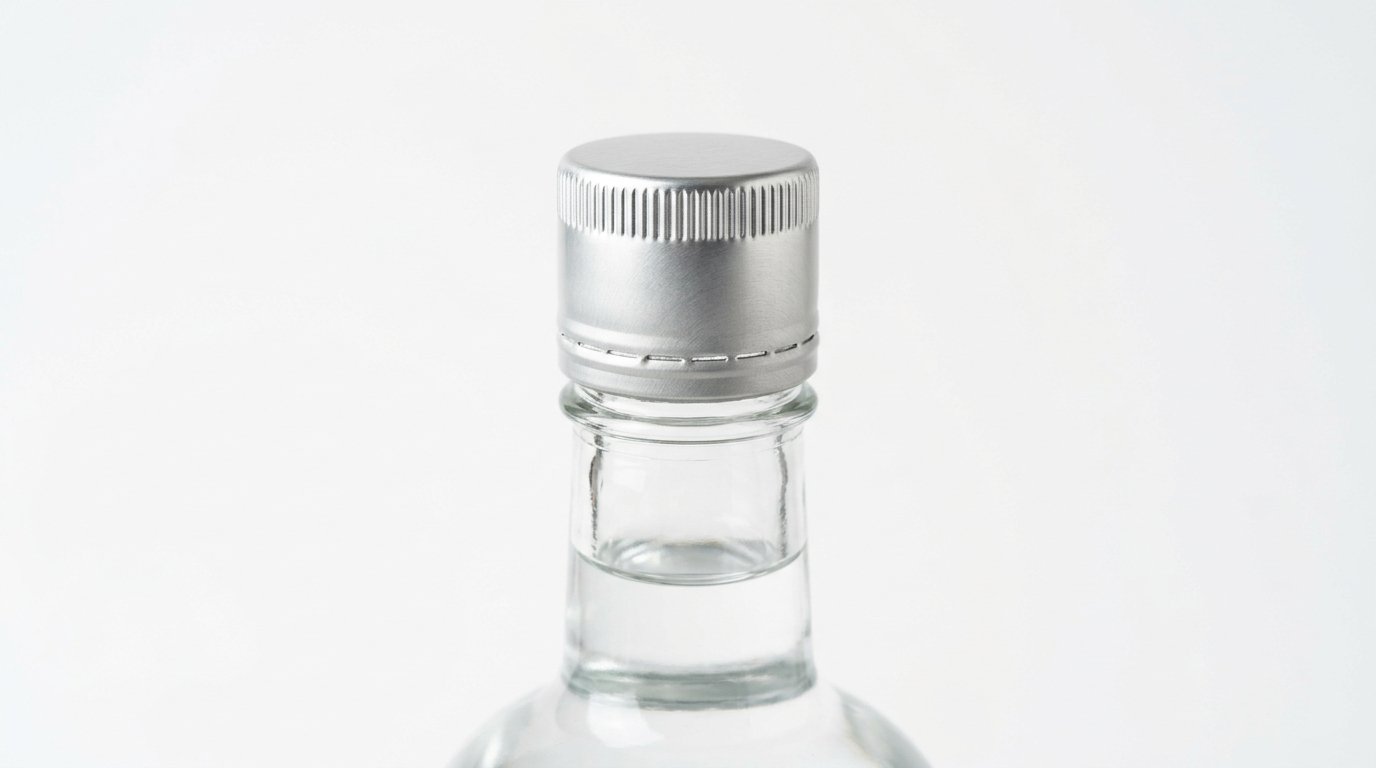
Tamper-evident packaging in India: common methods, why brands use it, and how it supports FSSAI and BIS expectations for bottled water and beverages.
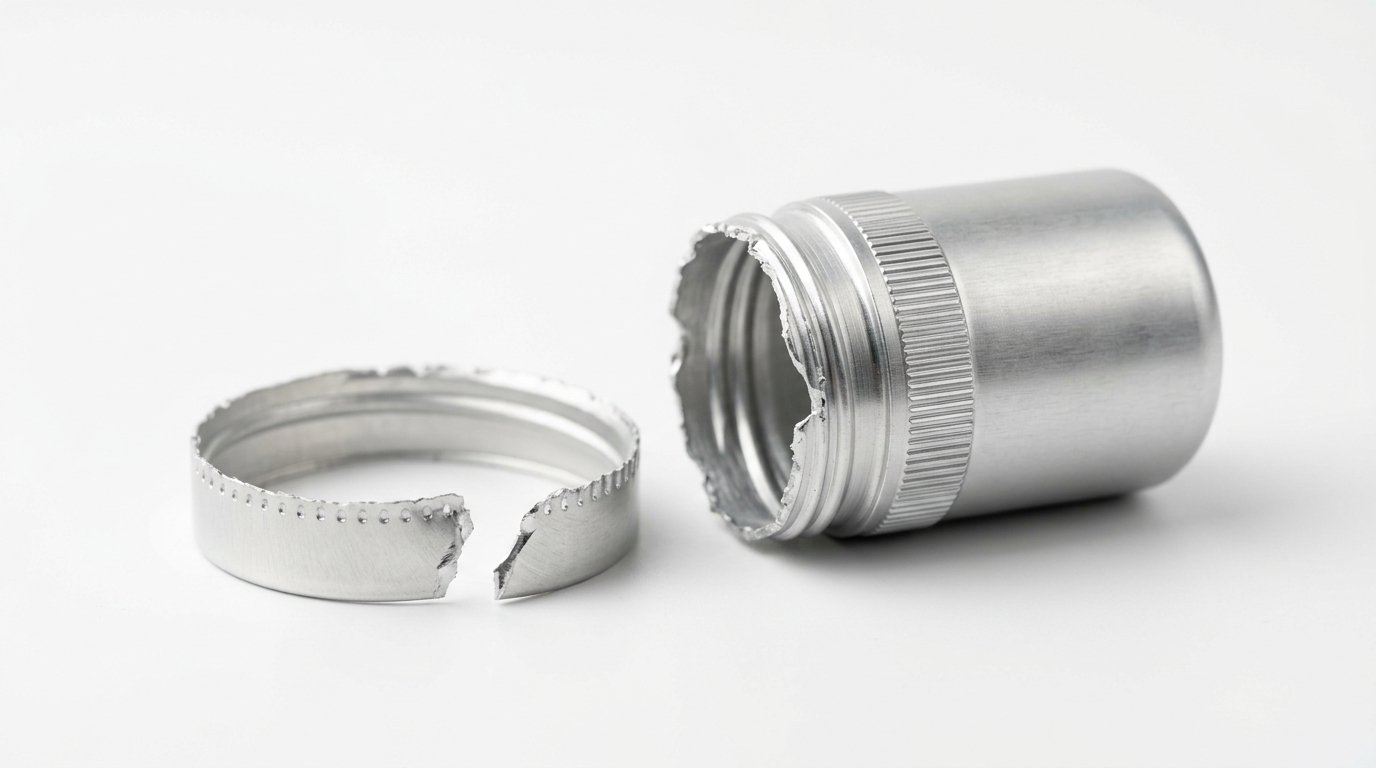
A tamper-evident cap has a ring that breaks on the first turn and cannot be rejoined. The three-part break sequence, 6 methods compared, and India’s rules.
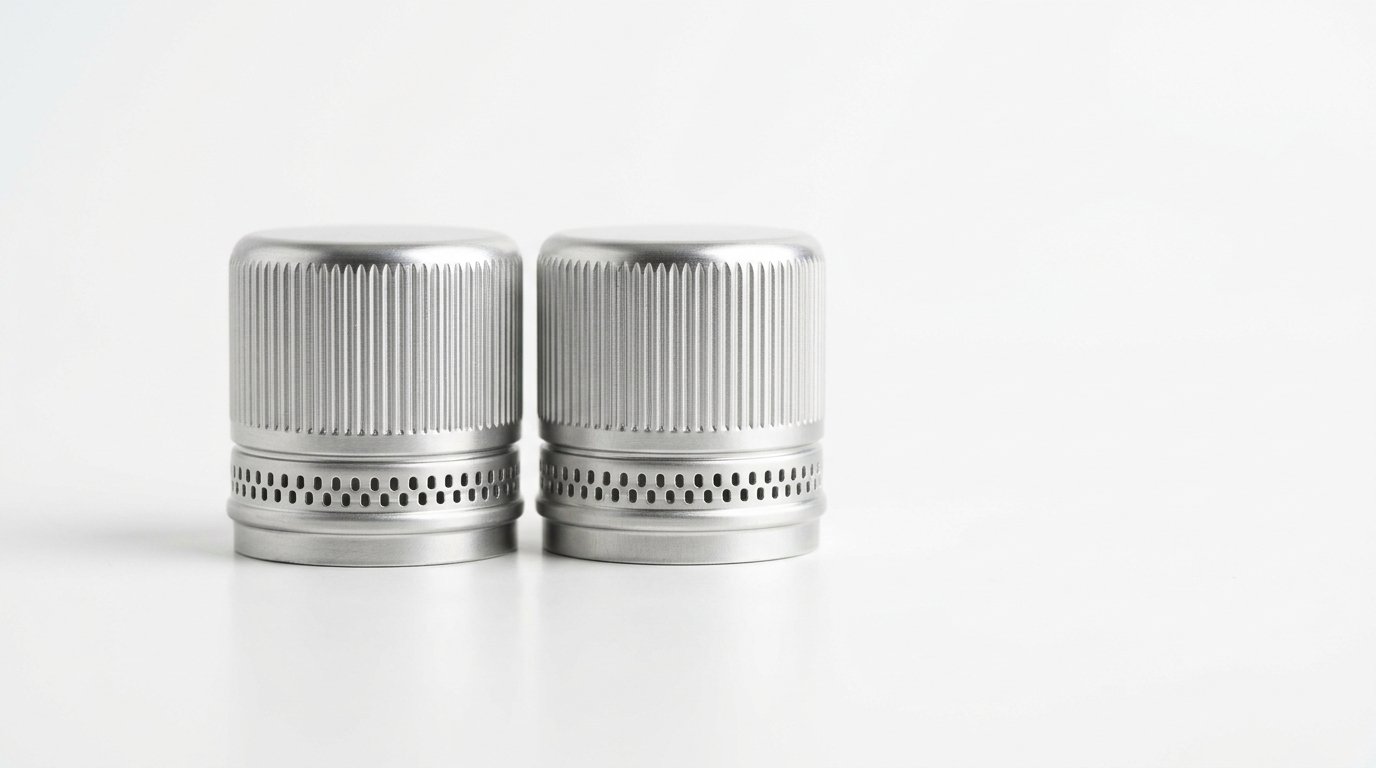
Imported ROPP caps carry long lead times, freight and high MOQs. See how a local Indian supplier cuts lead time, cost and risk for bottlers sourcing closures.
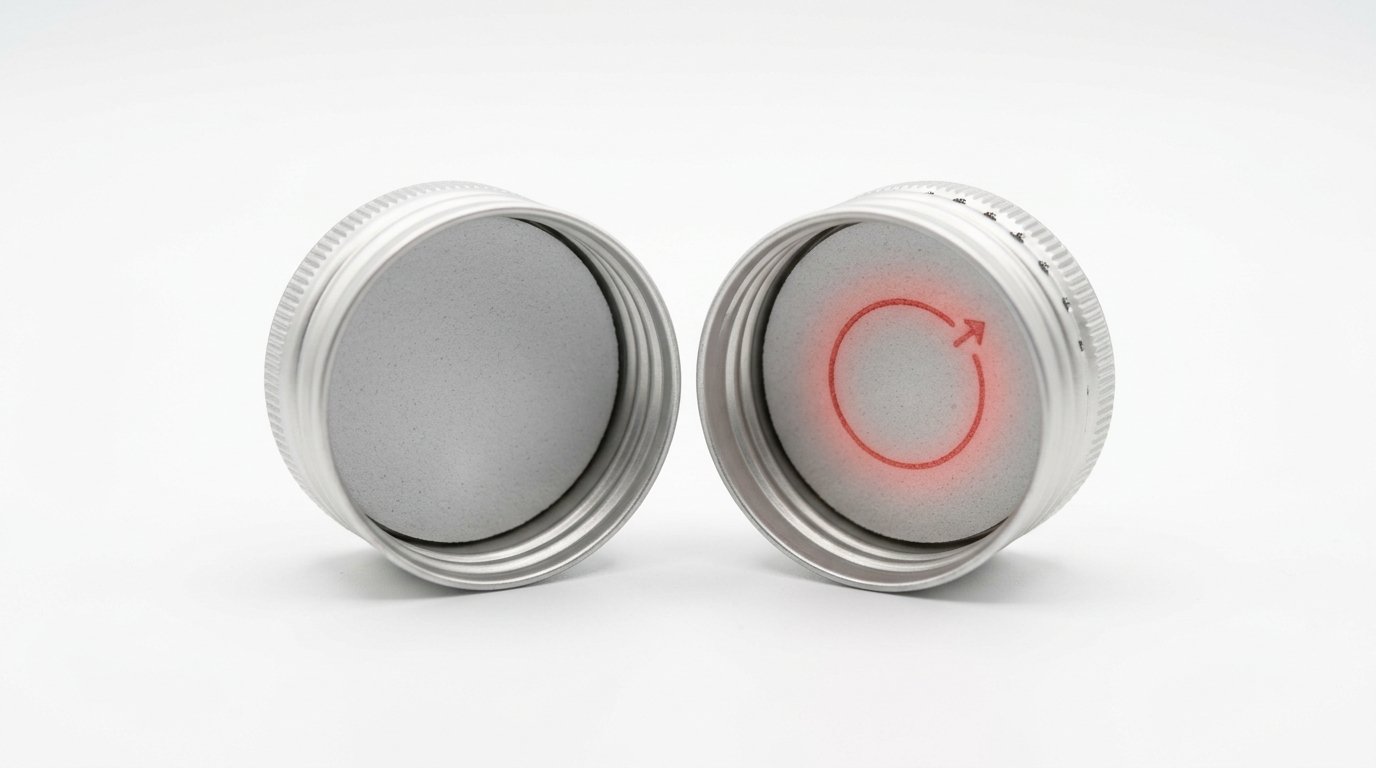
The liner is what actually seals the bottle. Compare PVC vs PVC-free (TPE) cap liners on safety, migration and fit for Indian water and beverage brands.
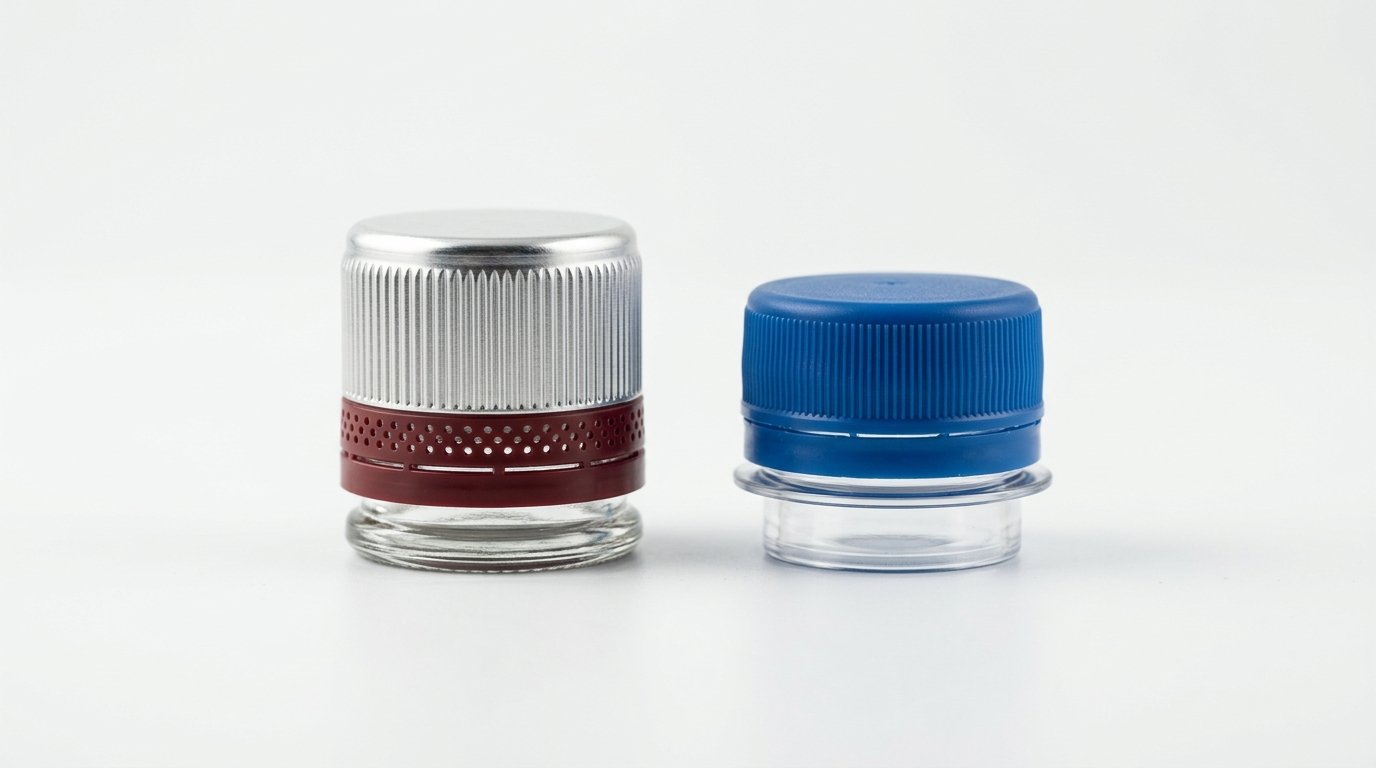
Aluminium caps look premium, recycle endlessly and seal to 8 bar; plastic caps cost less. Compare look, recyclability, seal and cost for Indian bottlers.
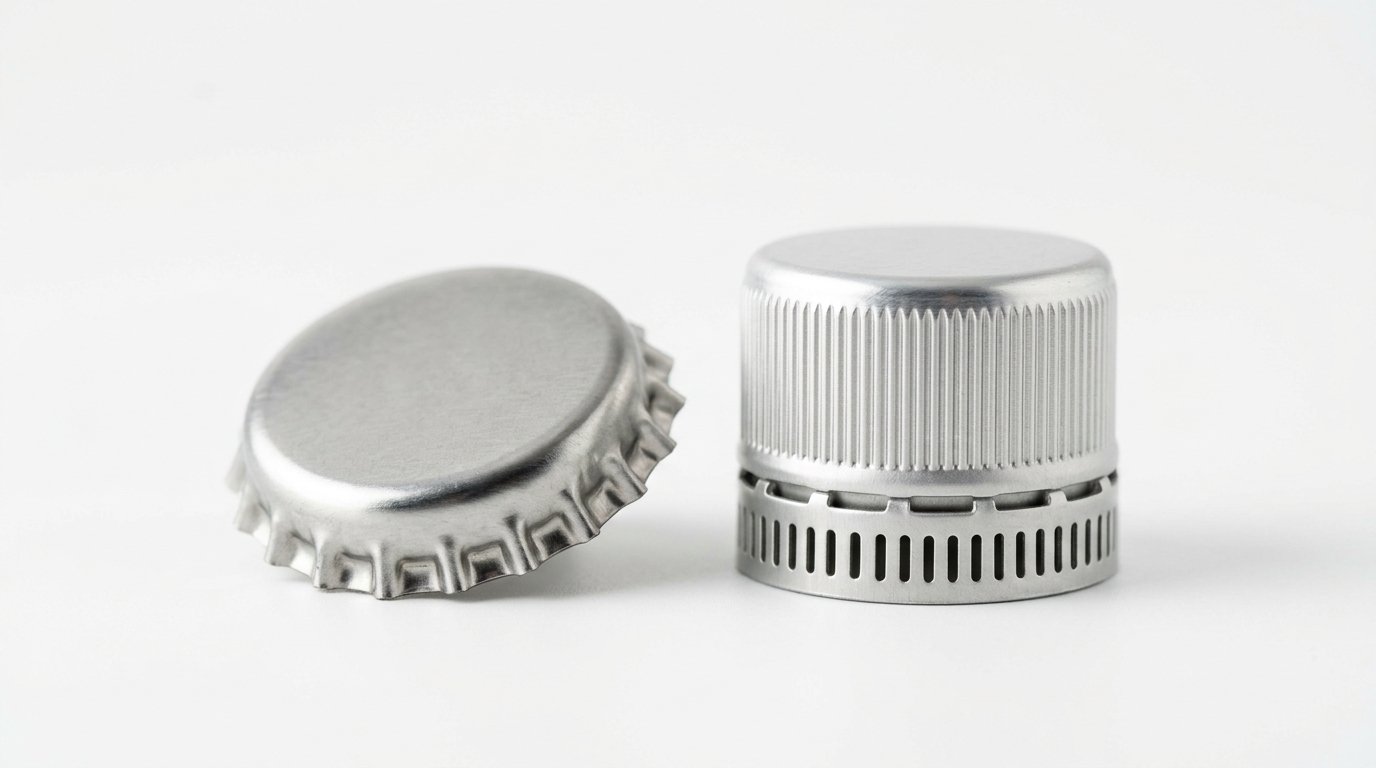
Crown cap vs ROPP cap compared on pressure, resealing, line speed, unit cost and use, with a 26 mm crown’s dimensions set against a 28/15 mm ROPP cap.
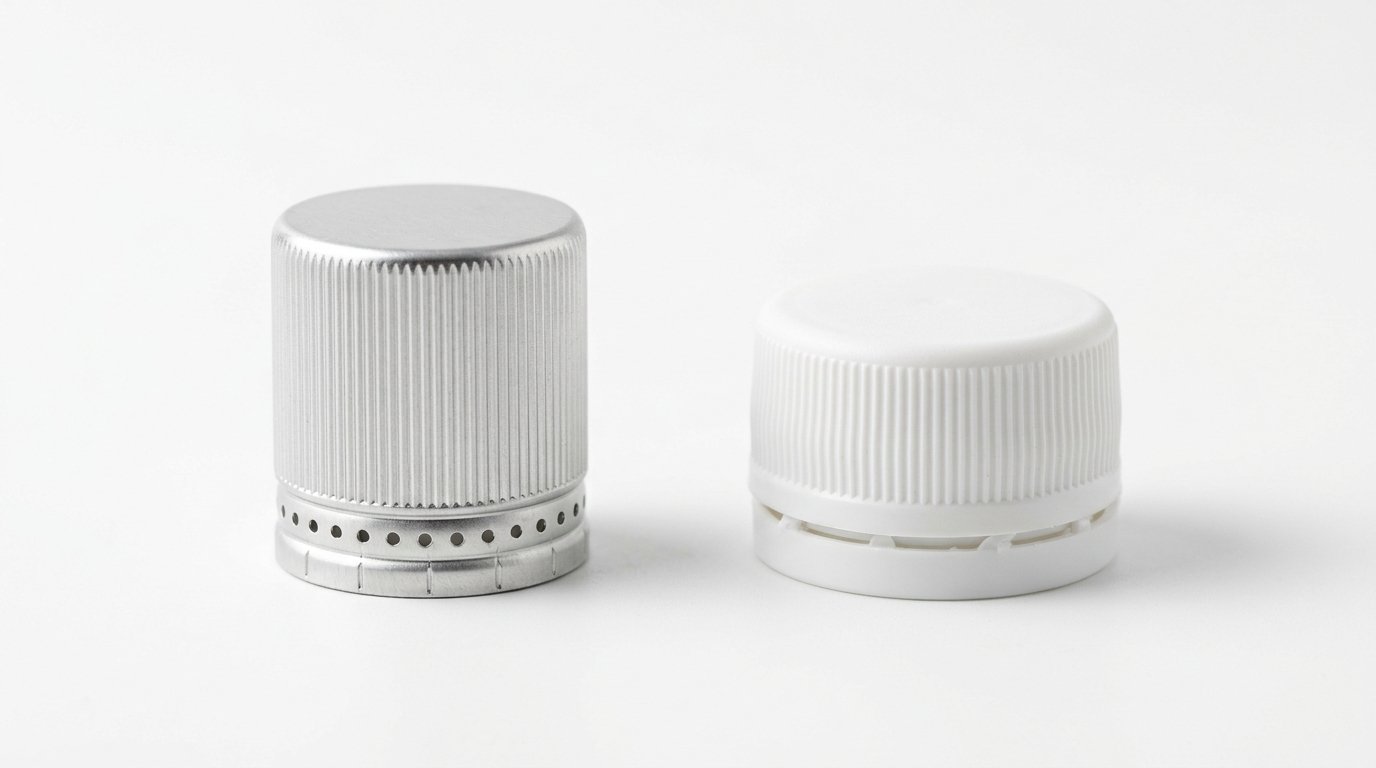
Difference between a screw cap and a ROPP cap: how each is applied, the neck finish it needs, tamper evidence, resealing, line speed and cost, in a table.
This will close in 0 seconds