 R Vision Technical Team
38-400 means a 38 mm thread diameter with a 400 finish, about one turn of thread. GPI and SPI neck codes decoded into millimetres, and where ROPP sizes differ.


38-400 means a 38 mm thread diameter with a 400 finish, about one turn of thread. GPI and SPI neck codes decoded into millimetres, and where ROPP sizes differ.
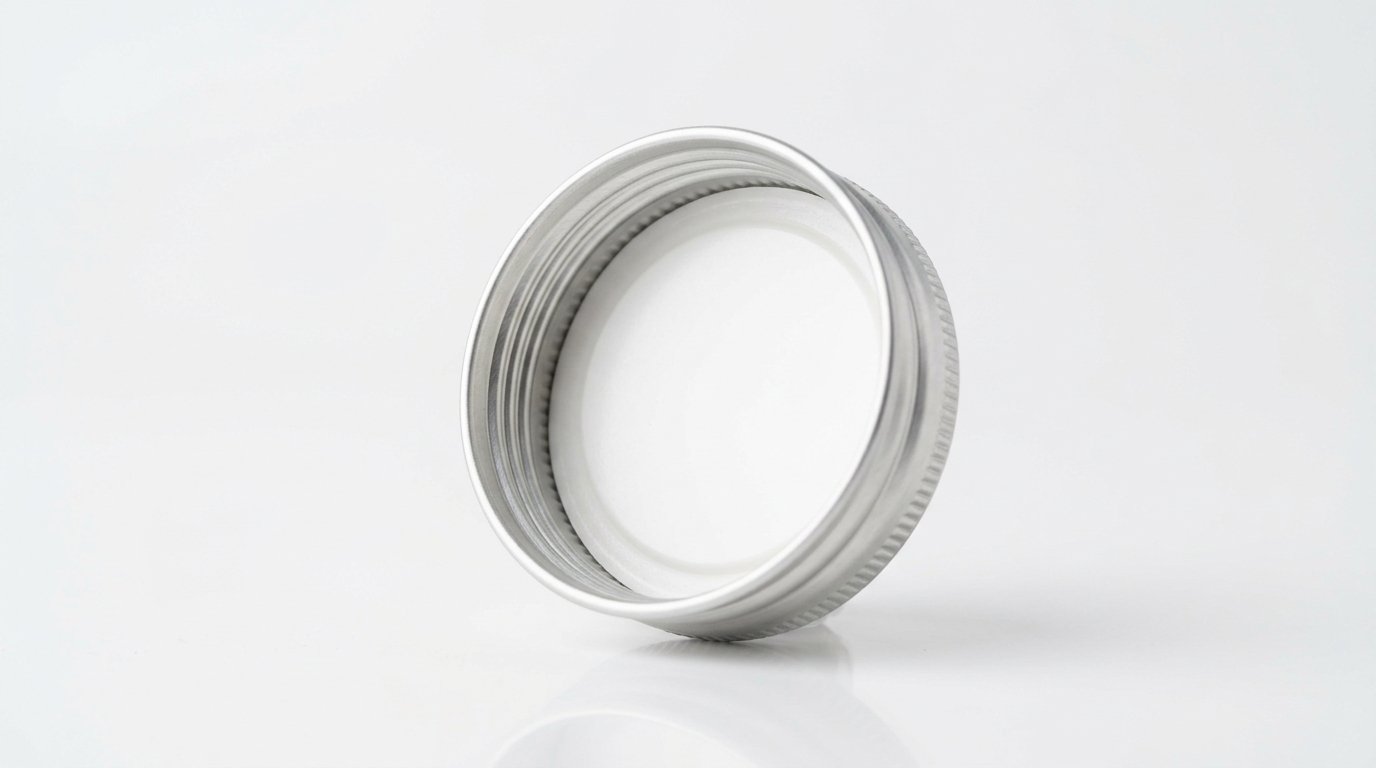
Why the closure industry is moving to PVC-free packaging: health scrutiny, food-contact rules and export buyers, and what it means for Indian bottlers.
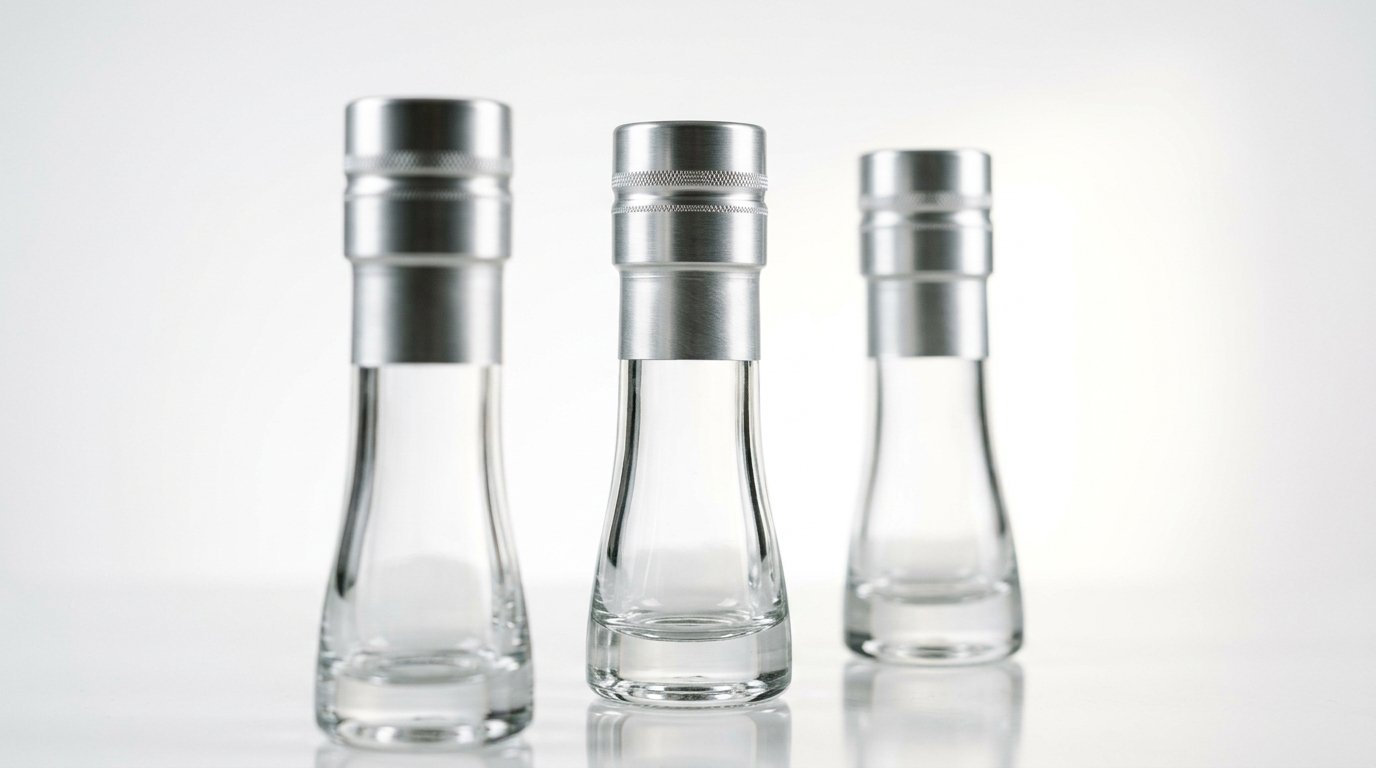
A guide to liquor bottle caps in India: ROPP, non-refillable and anti-refill closures, crown caps, plus tamper, excise and premium considerations for spirits.
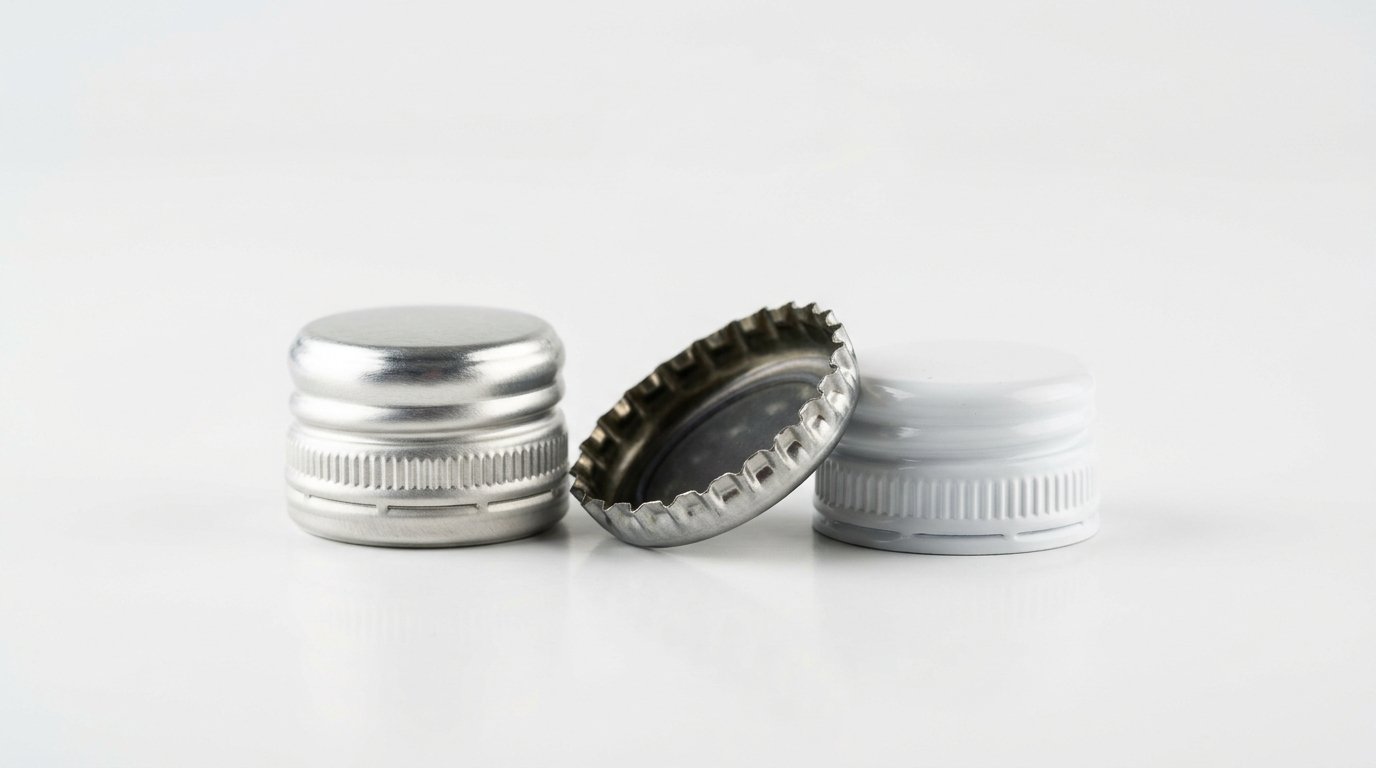
A closure in packaging is any device that seals a container’s opening. Closure vs cap vs lid, the jobs a closure does, and 8 closure families in one table.
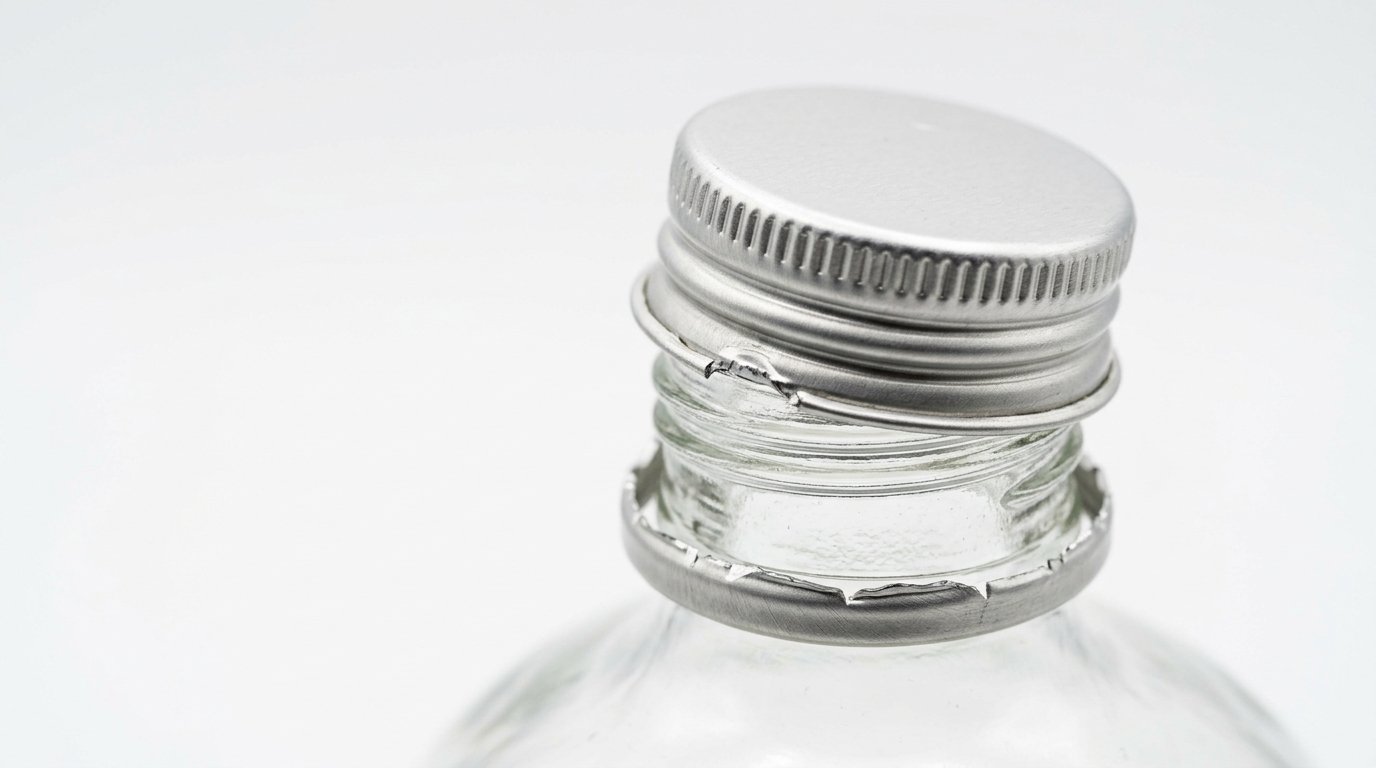
A pilfer-proof cap has a band that breaks away on first opening. How the band works, ROPP and other pilfer-proof formats, and 28/15 mm caps for water.

How bottle caps are made: see how ROPP caps go from aluminium coil to shell, coating, liner and pilfer band, then get rolled onto the bottle at capping.
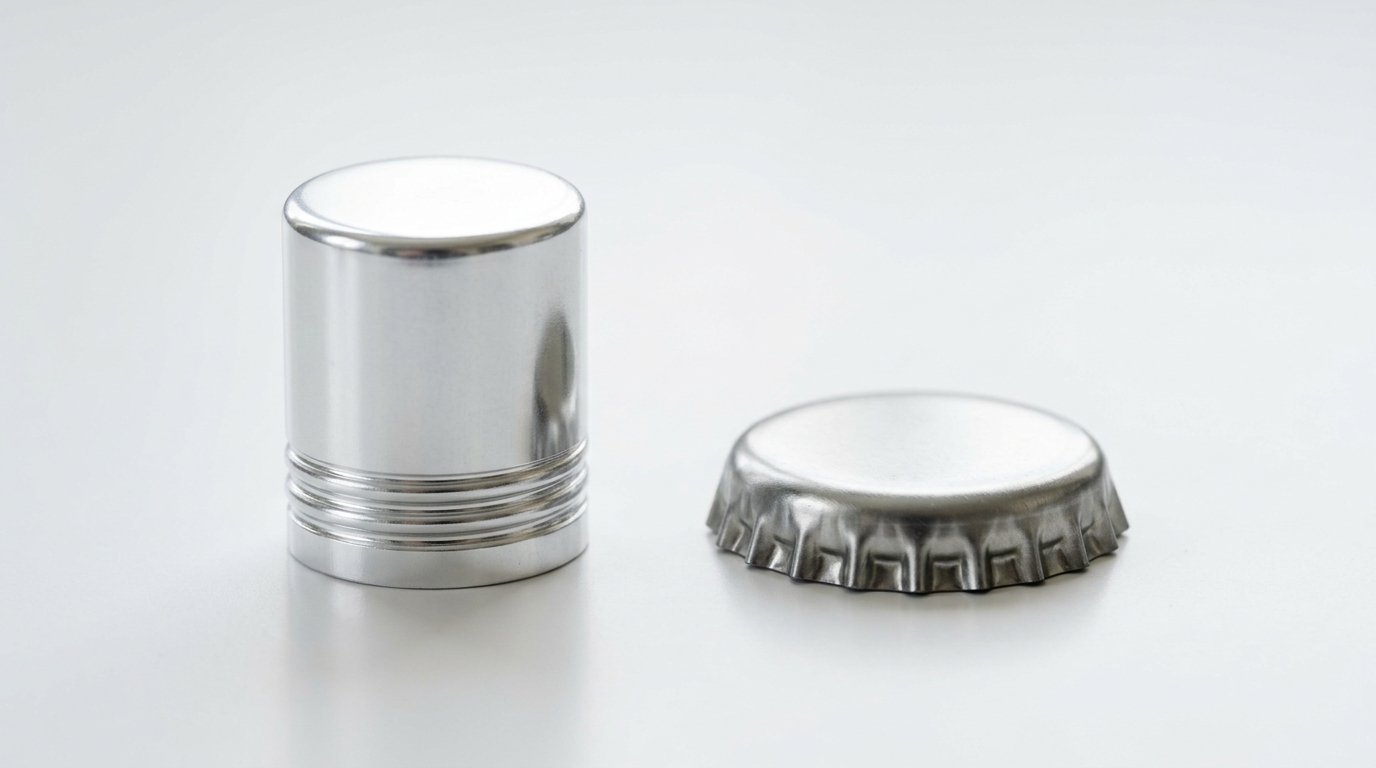
Aluminium ROPP closures vs steel bottle caps like crowns compared on material, corrosion, recyclability, forming and best-fit uses for beverage brands.
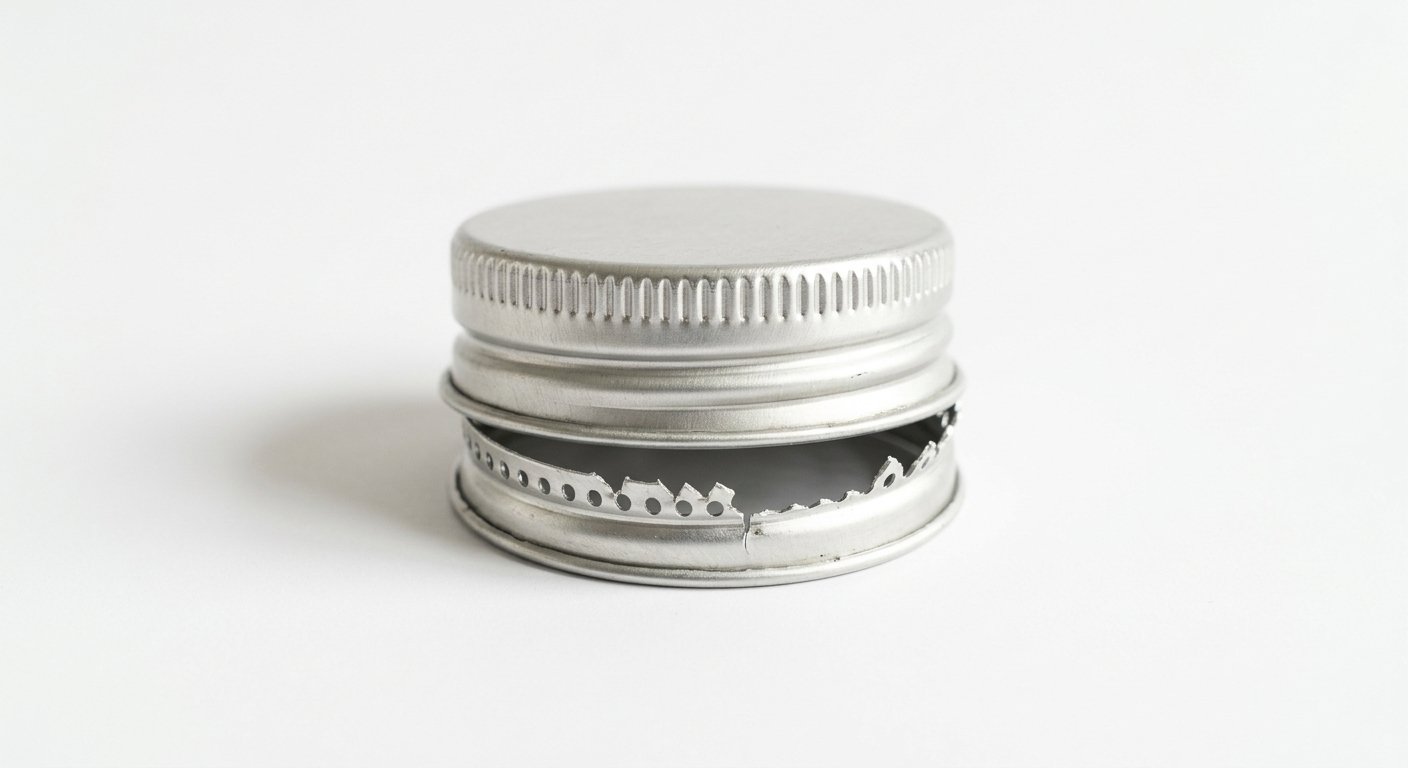
Ring-retention design keeps the pilfer ring attached after opening, so a bottle reseals while tamper evidence stays visible. See how R Vision’s Bev Cap does it.

PVC-free liner bottle caps from an Indian maker: Bev Cap, a 28/15 mm aluminium ROPP cap with a PVC-free TPE liner, rated to 8 bar, MOQ from 50,000 caps.
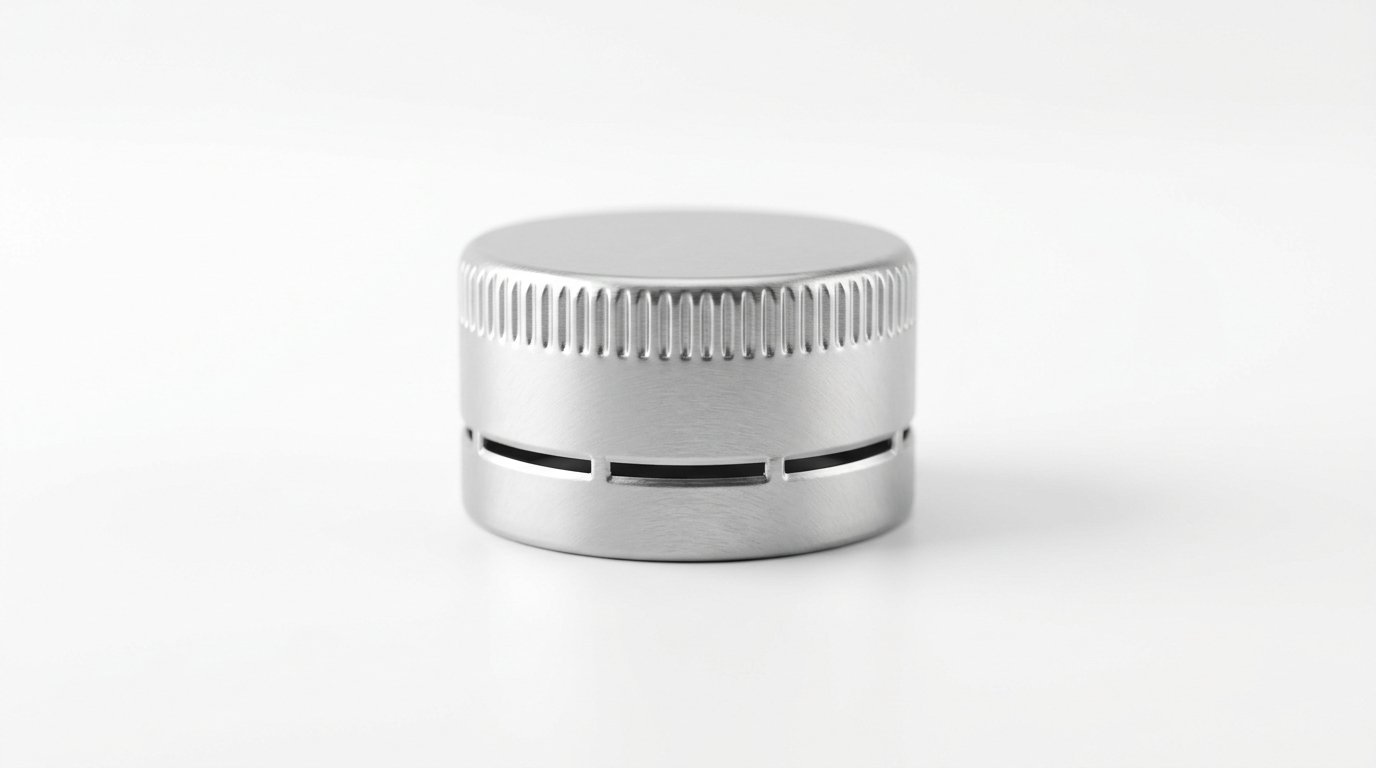
A three-part break-system ring shows visible tamper evidence on a water bottle. See how Aqua Cap’s ring works and why it matters for Indian packaged drinking water.
This will close in 0 seconds