
 Sankalp
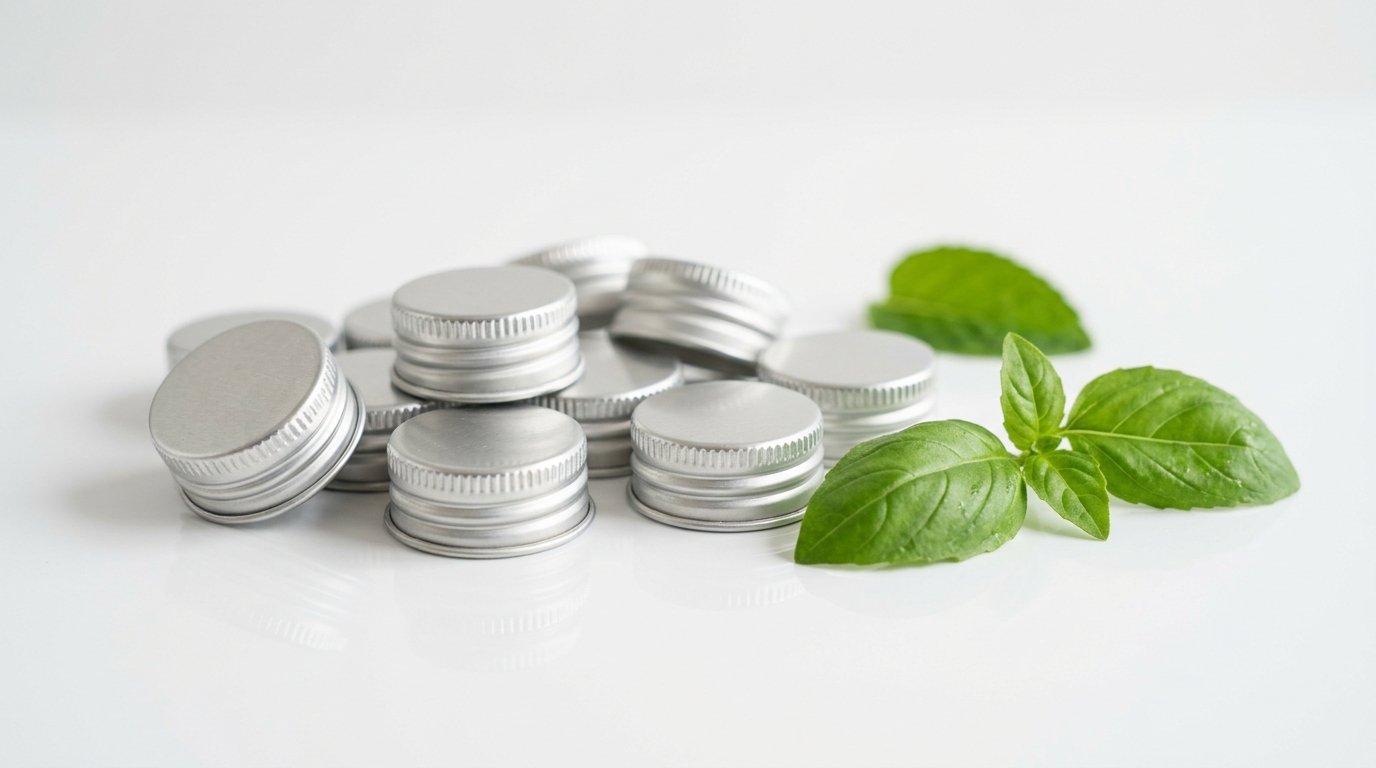
Yes, aluminium caps are recyclable, and aluminium is one of the few packaging materials that can be recycled repeatedly without losing quality. A used aluminium ROPP closure can be re-melted into new aluminium stock again and again. The main constraint is not the metal itself but collection: caps are small, so they need to reach a scrap stream to be recovered.
Why Aluminium Is Called Infinitely Recyclable
Aluminium does not degrade when it is melted and reformed. The same atoms can cycle through new products many times over, which is why the industry describes it as infinitely recyclable. Recycling aluminium also uses a small fraction of the energy needed to produce metal from raw bauxite ore, so recycled aluminium carries a much lower energy footprint than virgin metal.
For a closure like an aluminium ROPP cap, this matters. The cap shell is a single, clean material. Once separated from the bottle, it goes straight back into the aluminium loop with no complex sorting.
How Cap Recycling Actually Works
The recycling path for an aluminium closure is short and well understood:
| Stage | What happens |
|---|---|
| Collection | Used caps enter the scrap or dry-waste stream, often loose or with the bottle |
| Sorting | Aluminium is separated from plastics and other metals, sometimes by eddy-current or magnet-based lines |
| Melting | Clean aluminium scrap is re-melted into ingots or billets |
| Reuse | New aluminium products, including fresh closures, are formed from the recovered metal |
A small amount of liner material (the TPE sealing layer inside the cap) burns off or is skimmed during melting, so it does not contaminate the metal the way a mixed-plastic cap can.
The India Collection and Scrap Reality
India has one of the most active informal metal-recovery networks in the world. Kabadiwalas, aggregators, and scrap dealers already collect and trade aluminium because it holds real resale value per kilo. That value is what drives recovery on the ground, more than any single rule.
The honest gap is size. A bottle closure is light and easy to miss in mixed household waste. When caps stay attached to the bottle or are collected in bulk by bottlers and fillers, recovery rates are high. When they scatter into general waste, many are lost. This is a collection problem, not a material problem: the aluminium is always recyclable if it reaches a scrap yard.
Segregation at source, buy-back by bottlers, and clean industrial scrap returns are the levers that improve real-world recovery in the Indian context.
Why Aluminium Closures Have a Sustainability Edge
The clearest advantage over many plastic caps is that aluminium is a single material with a settled recycling route and a genuine resale value. Multi-material plastic caps, by contrast, can combine different polymers and colourants that are harder to sort and often worth little as scrap, so more of them end up as waste.
Two design points strengthen the case for a well-made aluminium cap:
- A clean metal shell recycles without the sorting headaches of mixed plastics.
- A PVC-free liner (as used in R Vision’s Bev Cap) avoids the chlorine chemistry that complicates some older liner systems.
None of this makes aluminium automatically greener in every scenario; lifecycle outcomes depend on how much metal is actually recovered. But the ceiling for aluminium is high because the metal never loses value in the loop. For more on the material choice, see aluminium vs plastic bottle caps and the broader look at aluminium closures.
What Brands and Bottlers Can Do
If you fill packaged drinking water or beverages, a few practical steps raise real recovery:
- Return clean production scrap and rejected caps to your aluminium supplier or a scrap aggregator rather than to general waste.
- Prefer single-material metal closures over multi-polymer plastic ones where the pack allows.
- Support source segregation so household caps reach the metal stream.
For a sense of how R Vision’s closures are built, see the Aqua Cap and Bev Cap product pages.
Frequently asked questions
Are aluminium bottle caps recyclable in India?
Yes. Aluminium caps are recyclable and are already collected through India’s active scrap and metal-recovery networks because aluminium holds resale value per kilo. The limiting factor is collection, since small caps can be lost in mixed waste, not the recyclability of the metal itself.
Can aluminium caps be recycled with the bottle?
They are best recovered when kept with the bottle or collected in bulk by bottlers, because loose caps are easy to miss. During recycling the aluminium is separated from the plastic bottle and any liner material, then re-melted on its own.
Does the plastic liner stop an aluminium cap from being recycled?
No. The thin TPE liner inside the cap burns off or is skimmed during melting and does not contaminate the aluminium. The metal shell recycles cleanly, which is one reason single-material metal caps recycle more easily than mixed-plastic caps.
Is recycled aluminium as good as new aluminium?
Yes. Aluminium does not lose quality when melted and reformed, so recycled metal performs the same as virgin metal. Recycling it also uses far less energy than making aluminium from raw bauxite ore.
Are aluminium caps more sustainable than plastic caps?
They can be, mainly because aluminium is a single material with a settled recycling route and real scrap value, while many plastic caps mix polymers that are harder to sort. The actual benefit depends on how much metal is collected and returned to the loop.
To discuss recyclable aluminium closures for your water or beverage line, browse the R Vision closure range or contact R Vision. For the other end of the litter question, tethered caps: will India follow the EU? looks at whether caps that stay attached to the bottle will reach this market. More material and compliance guides are collected on Learn.